
Executive Coaching: Leading Without Flying Blind
- What it is: A confidential, one-to-one professional relationship in which a trained coach helps a senior leader think more clearly, see their own patterns, and act differently.
- What it is not: Therapy, mentoring, or consulting. A coach does not hand you their playbook or diagnose your childhood. They ask the questions that let you find your own answer.
- Who it is for: Executives, senior managers, founders, and high-potential leaders moving into bigger roles.
How long it runs: Typically six to twelve months, with sessions every two to four weeks. - What it costs in Singapore: Widely variable. Fees usually track the coach’s experience and credential level. There is no fixed market rate.
- How you know it worked: Agreed measures set at the start, usually a mix of behavioral change observed by others and business outcomes the leader owns.


Executive coaching is a confidential, one-to-one partnership between a trained coach and a senior leader. Establishing whether it actually works is difficult, because the market is unregulated and the return-on-investment figures firms quote come from single-company case studies.
Getting the choice wrong is expensive. An engagement runs six to twelve months and takes real time from the leader throughout, so a poor match costs you thousands of dollars and an entire year.
This guide covers what executive coaching is and is not, what the research actually shows, how an engagement runs, and how to choose a coach in Singapore. If you want to train as a coach yourself, skip ahead to the certification section.

What Is Executive Coaching?
Executive coaching is a professional relationship between a trained coach and a senior leader, built to improve how that leader thinks, decides, relates to others, and performs. It is confidential, it runs to an agreed structure, and the leader defines the outcomes and the coach works toward those.
The International Coaching Federation, the profession’s largest accrediting body, defines coaching as partnering with clients to maximize their personal and professional potential. That word, partnering, is doing a lot of work. Your coach is not an expert on your business; you are. What they bring is skill at running the conversation that gets you moving again.

What separates executive coaching from coaching generally is context. When a senior leader makes a decision, it commits the organization. When they lose patience in a meeting, the room quietly learns what is acceptable. And whatever they cannot see about themselves gets copied downward by people watching closely. So the work runs on two levels at once: how you behave, and what your behavior does to everyone below you.
At The Coach Partnership, that work is grounded in ontological coaching, a Newfield-based approach concerned with the observer you are. The premise is that you do not act on the world as it is, you act on the world as you perceive it, and your perception is shaped by your language, your emotions, and your body. Shift the observer and the range of actions available to you shifts too. It goes deeper than swap, which is why the results tend to hold once the engagement ends.

Is Executive Coaching Effective?
Yes. Two independent meta-analyses found that executive coaching improves leadership performance, goal attainment, and workplace effectiveness. Although the size of the benefits varies between studies, both reviews concluded that coaching has a positive impact.
Coaching is most effective when leaders are motivated to change, own their development goals, and have the opportunity to apply what they learn.

How Does Executive Coaching Work?
- Chemistry and matching (before you commit): You meet one or more coaches and pick the one you can be honest with. The quality of that working relationship is the most reliable predictor of a good outcome, so if the fit is wrong, no credential will make up for it.
- Contracting (month 1): You agree what you are working on, how long for, how often you meet, what stays confidential, and how you will know it worked. Where an organization is paying, this is where the three-way boundary gets drawn: what the sponsor hears, and what they never hear. Get this wrong and the leader will never say anything true in the room.
- Assessment (months 1 to 2): Many engagements open with a 360 (structured feedback gathered from your manager, peers and reports), a leadership inventory, or interviews with the people around you. The purpose is to show you the gap between how you experience yourself and how others experience you. That gap is usually where the work turns out to be.

- The sessions (month 2 to the end): Typically 60 to 90 minutes, every two to four weeks. The spacing is deliberate. Coaching happens in the room, but the change happens between sessions, when you run a real meeting differently and see what it does.
- Fieldwork (between every session): You practice in the actual job: you run the meeting differently, you have the conversation you have been avoiding, and you notice what happens in your body when your CFO pushes back.
Review (final month): You measure the engagement against what you agreed at contracting. A general feeling that it went well does not count.
At The Coach Partnership, the ontological frame runs through all of it. The work asks what you will do differently and, underneath that, who you are being when you do it, and looks at the language, moods and physical habits that keep producing the same result.
What Does an Executive Coach Do?
- Asks the question nobody else will. It might be whether you have become the bottleneck, or whether you still want the job. Your team will not ask because you sign their reviews, and your board will not because they hired you. A coach has no stake in your approval, which is exactly what makes the question possible.
- Reflects back what they observe. A coach names the pattern you cannot see because you are inside it: the way you fill every silence, or how your jaw sets when a particular name comes up.
- Holds the goal steady. Urgent work will always crowd out important work. A coach keeps bringing you back to what you said mattered when you set the goals.
- Creates a space where thinking out loud is safe. Everything a senior leader says at work gets read for signal by someone. In coaching, nothing you say is being scored, so you can test a doubt or a half-formed idea before you commit to it. That is what the confidentiality is for.
- Holds you to your own commitments. You decide what you will do. The coach asks you what happened, without nagging and without setting the commitments for you.
Benefits of Executive Coaching
The benefits below are the ones the two reviews above support, and the ones that come up most often in practice. Read them as a menu: which of these you get depends on what you bring and what you are willing to look at.
Enhanced Leadership Skills
The skills that matter at senior level are not the ones that got you promoted. Delegation, giving hard feedback without breaking the relationship, holding a room, making a call with incomplete information. You learn these by practicing them, which is why a course does not shift them. Practicing alone does not work either, because the whole difficulty is that you cannot see your own effect on a room while you are standing in it. Coaching gives you somewhere to try the harder version, and someone paying close enough attention to tell you what actually landed.
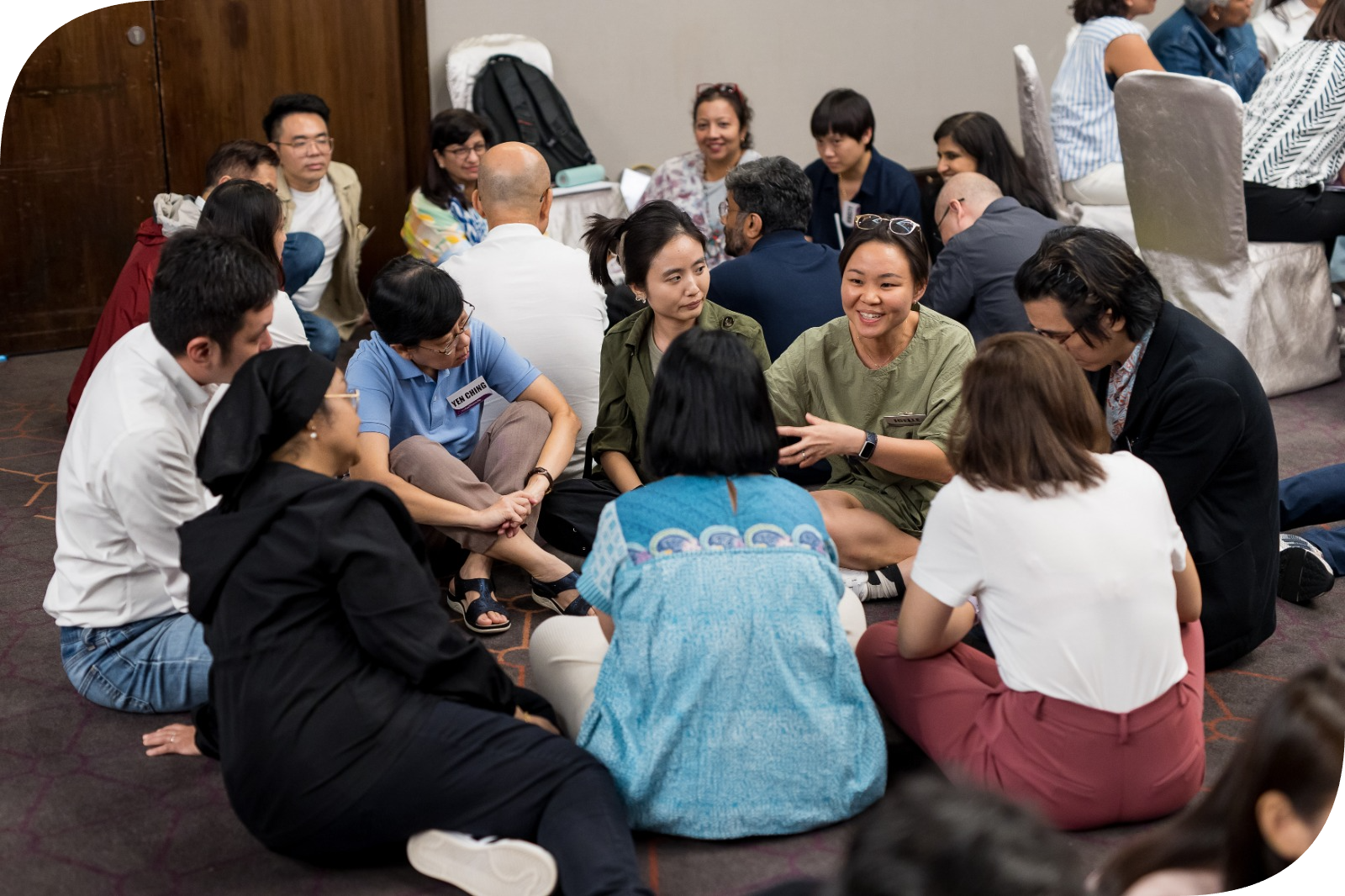
Strengthening Individual Leaders
Coaching builds capacity in the person. A leader who becomes more self-aware, better at regulating under pressure and clearer about what they stand for carries that into the next role and the next company. The gain travels with them, so it keeps paying long after the engagement has ended.
Improving Organizational Outcomes
The effect travels. A leader who listens better runs meetings where people speak up, and teams where people speak up catch problems earlier. This is also where the research is strongest. In the 2016 workplace review, the strongest effect by far was on the leader’s results at work. Self-ratings moved least of all.
Increased Self-Awareness
Self-awareness is what every other benefit on this list depends on. Senior leaders often carry a real gap between what they intend and what people around them actually experience, and almost nobody in that circle is in a position to say so. A coach, plus a well-run 360, makes the gap visible. Seeing it is uncomfortable. It is also the most useful information a leader ever gets, because you cannot change an effect you do not know you are having.
Improved Performance
Performance improvement in coaching usually comes from removing something. The leader who stops solving everything personally stops being the constraint on everyone else’s work. The one who stops avoiding the difficult conversation stops losing good people to a problem they could have named months earlier.
Executive Retention
Coached leaders tend to stay. Being invested in tells a leader the organization intends to keep them, and coaching tends to resolve the friction that makes senior people leave in the first place. Their people stay too, because the leader has become someone worth working for. Retention is a side effect of the work, which is why it is worth measuring.
Increased Team Cohesiveness
Teams take their mood from whoever is in charge. When the leader becomes predictable in how they handle bad news, the team’s willingness to bring it changes with them. This is often the fastest visible result, and colleagues tend to notice it before the leader does.
Greater Adaptability
Adaptability is a range you can widen. Most leaders have one default mode that worked in the conditions where they learned it. Coaching widens that range. The decisive leader learns when to wait. The consensus-builder learns when to call it. Their personality stays the same. The number of moves available to them grows.
Strategic Career Management
Coaching is one of the few places a leader can think about their own trajectory without it being political. They can ask whether to take the role, and whether the thing they have spent a decade working toward is still the thing they want. These are hard questions to ask out loud anywhere else in your working life.
Confidentiality and External Support
The higher you go, the fewer people you can speak to plainly. Your team reports to you, your peers compete with you, your board evaluates you, and your family is affected by your decisions. A coach sits contractually outside all of it. For many leaders, that outside position is what makes the work possible at all.
Who Should Use Executive Coaching?
- Newly promoted executives, especially anyone crossing from managing work to managing managers. That is a different job. You stop being measured on what you produce and start being measured on what other people produce, and the habits that made you good at the first thing quietly work against you in the second.
- Founders whose company has outgrown the way they built it, and who now have to run an organization when they used to do every job in it.
- High-potential leaders being groomed for a larger role, where the investment builds readiness ahead of time.
- Senior leaders facing a specific turning point, such as a restructure, a merger, a market that has turned against them, or a team that has stopped believing them.
- Anyone with a persistent pattern they cannot shift alone. The same conflict, the same bottleneck, the same feedback in review after review.

When to Use an Executive Coach
- Before a transition, while there is still time. Coaching starting six weeks into a new role is preventative. Starting six months in is remedial, and costs more for less.
- When the feedback has landed and stung. The window right after a 360 or a difficult review is when motivation is highest and defensiveness is lowest.
- When the stakes just rose. A bigger team, a new market or a board seat all raise the standard you are held to, and the way you worked at the old level will not carry you at the new one.
- When you are successful and quietly stuck. This is the most under-used moment and often the most productive, because nothing urgent is crowding it out.
What is the Purpose of Executive Coaching?
If benefits are what you get, purpose is what the engagement is for. The distinction matters at contracting, because a coaching engagement without a purpose becomes a pleasant fortnightly chat.
Improved Leadership Effectiveness
The purpose here is to close the distance between the leader you intend to be and the leader your team actually gets on a bad Tuesday afternoon when the numbers have missed.
Enhanced Relationships
Relationships are often the real reason a leader is referred to coaching, even when the stated reason is strategy. It might be a peer relationship that has hardened, a rivalry between two functions that is quietly costing real money, or a board chair the CEO cannot read. Senior careers usually come apart here, long before ability is the issue.
Smoother Career Transitions
A transition is the point where the distance between what you can currently do and what the new role demands is at its widest. Coaching through one shortens the time it takes you to become effective, and it lowers the odds of an early avoidable mistake that follows you around for a year.
Types of Executive Coaching
These labels overlap, and most engagements move between them. It still matters which one you are buying, because each carries a different goal and a different way of judging whether it worked.
Leadership Coaching
- Focus: How you lead. Presence, decision-making, influence, the way you hold a team through uncertainty.
- Typical client: A leader whose scope has grown faster than their style has adapted.
- What success looks like: Colleagues describe them differently in six months, without being prompted.
This is the deepest of the five and the one that takes longest to show, because it works on the person. It still runs to the same six to twelve months and the same fee. The difference is that the results tend to appear later in the engagement and last longer after it. It is also where ontological coaching does the most, since presence comes from language, mood and body more than from technique.

Organizational or Business Coaching
- Focus: The leader in the context of the system around them. Structure, culture, strategy execution.
- Typical client: A founder or executive whose problem is structural. The company has outgrown the way it is organized, and no amount of individual effort fixes that.
- What success looks like: Decisions get made lower down, and the leader stops being the bottleneck.
The risk with this type is that it drifts into consulting. A coach helps you see your own system clearly. If they start redesigning your org chart, you are no longer buying coaching.
Performance Coaching
- Focus: A defined gap against a defined standard, over a defined period.
- Typical client: A capable leader underperforming in one specific dimension.
- What success looks like: The metric moves, and the change survives the engagement ending.
This is the most measurable type, and it is also the most commonly misused. When “performance coaching” is offered as a euphemism for a final warning, it is not coaching and it will not work.
Career Coaching
- Focus: Direction. What next, and why, and whether the thing you are climbing toward is still something you want.
- Typical client: A leader at an inflection, or one who has arrived and found it hollow.
- What success looks like: The person is still sure about the decision once the excitement has worn off.
Life Coaching
- Focus: The whole person. Energy, health, relationships, meaning.
- Typical client: Anyone whose professional problem has an obviously non-professional cause.
- What success looks like: The leader ends up working at a pace they could hold for years without it costing them their health.
Executive coaching runs into this territory often, because the executive is also a person. A skilled coach handles the overlap and refers out when it crosses into clinical territory.
Becoming an Executive Coach: Training and Certification
If you are reading this to enter the profession yourself, the landscape looks like this.
Coaching is unregulated and anyone can print a business card, which is exactly why credentials carry weight: they are what buyers use in place of regulation.
The International Coaching Federation (ICF) is the dominant global body. Its credentials ladder in three steps:
- Associate Certified Coach (ACC): 60+ hours of training, 100+ hours of coaching experience, mentor coaching, and a performance evaluation.
- Professional Certified Coach (PCC): 125+ hours of training and 500+ hours of experience.
- Master Certified Coach (MCC): 200+ hours of training and 2,500+ hours of experience.
The hours are the visible part. The performance evaluation is the real gate, because it is where someone listens to you actually coach.
Programs come in two shapes. University certificates carry institutional brand; specialist schools carry depth in a methodology. Neither is automatically better. Ask what tradition a program trains you in, and whether its graduates can still coach three years later.
The Coach Partnership runs the Newfield Certified Coach certification in Singapore. Its faculty, credentials and cohort mix are set out under Why Choose The Coach Partnership below.

How Executive Coaching Differs from Consulting, Therapy and Training
- Consulting: a consultant studies your problem and hands you the answer. A coach assumes the answer is yours to find and works on your capacity to find it. Buy consulting when the gap is expertise. Buy coaching when the gap is clarity or range.
- Therapy: it works largely on the past and on psychological health, where coaching works forward with a functioning adult who wants to perform differently. A good coach refers out the moment the work crosses into clinical territory.
- Training: it moves a fixed body of knowledge to a group on a set syllabus. Coaching has no syllabus, and the agenda is set by the leader in the room, session by session.
How to Choose the Right Executive Coach in Singapore
Singapore’s coaching market is crowded and largely unpoliced, so the credential is the only hard filter available to you. Once that filter has been applied, the five checks below are what separate one coach from another.
Experience, Skills and Qualifications
Look for an ICF credential at PCC or above, and ask what tradition they were trained in. “I did a weekend course” and “I completed a rigorous certification and have been supervised since” are different answers. Ask how many senior leaders they have coached, and in what contexts. Ask who supervises them now, because a coach without their own coach is a warning sign.
Interpersonal Fit and Trust
How well you and the coach work together is what decides whether the coaching does anything at all. If you cannot be straight with this person in the chemistry session, you will not be straight with them in month four, and the engagement will produce nothing. If the chemistry session feels guarded, say so to the coach and watch how they handle it. How they respond is itself the information you need.
Outcomes Focused
A good coach will push you to define what success looks like before they take your money, and will resist letting you keep it vague. Vague goals are comfortable for both of you, and that is how an engagement turns into a pleasant chat that changes nothing. If a coach seems uninterested in how you will both know it worked, that tells you something.
Communicator and Listener
Notice the ratio in the chemistry session. If the coach is doing most of the talking, that is the product you are buying. Notice also whether they can say the uncomfortable thing to you in the first hour. If they cannot challenge a prospective client, they will not challenge a paying one.
Curious and Passionate
You want someone genuinely curious about you. Plenty of coaches are more interested in demonstrating their model. Listen to their questions. A coach who is following a framework asks the next question on their list. A coach who is following you asks about the thing you just said.
One note that genuinely is specific to Singapore. The senior market here is small and tightly interconnected, so the coach sitting across from you may also be coaching someone at a competitor, or may already know two people on your board. That does not disqualify them, but it turns conflict of interest into a live question rather than a theoretical one. Ask directly who else they work with in your sector and how they keep those engagements separate. A coach with nothing to hide will answer plainly.

Our Executive Coaching Certification Methodology
Learning modalities include conversation, physical engagement, lecture, coaching, peer to peer feedback, study groups, tele classes, coaching and mentoring.
In order to successfully graduate, you will need to have completed all the modules, submitted a log demonstrating the required number of coaching hours and a recording of you demonstrating a sound grasp of the ontological framework. This will result in you becoming a Newfield Certified Coach, one of the most sought-after certifications in the coaching world today!
Why Choose The Coach Partnership for Executive Coaching in Singapore?
The Coach Partnership is the leading coach training school in Singapore and Asia, and runs the largest executive coach training program in the country. Here is what sits behind that:

- ICF-accredited coaches at PCC level or above. PCC is the middle of the ICF’s three credentials. It takes at least 125 hours of training and 500 hours of coaching experience, of which 450 must be paid, and the coach has to pass an assessment in which an examiner listens to a recording of them actually coaching.
- The Newfield tradition. TCP delivers Newfield Certified Coach certification, an ontological approach concerned with the observer you are. It is a deeper intervention than skills coaching, and it is what makes the change durable after the engagement ends.
- A training team of five subject matter experts, drawn from the USA, South America and the UK.
- Genuine cultural range. Cohorts typically span 12 to 15 nationalities. In a market as
Your Certified Executive Coaching Trainers

Terrie Lupberger
MCC, Director of Training
Former CEO of Newfield Network USA, one of the original ontological coaching schools, so you learn the method close to its source.

Marcus Marsden
PCC, Managing Partner
Lead trainer on the Newfield ontological coach training program and an ICF-certified executive coach.

Chris Balsley
Somatic Trainer
Lead somatic trainer for Newfield Asia, teaching the body domain that sets ontological coaching apart.

Beatriz Garcia
PCC, Somatic Trainer
A Newfield Certified Ontological Coach and somatic trainer on the Newfield program.
Enquire about
Executive Coaching or Coach Training
Looking for executive coaching or professional coach training? Tell us what you are looking for. We will make sure your enquiry reaches the appropriate person.
Testimonials
It’s always been clear to me that certain people, people who exercise regularly and who eat healthy, people who sleep well and who don’t smoke or drink to excess, create different outcomes in life. Becoming certified as a health coach has cemented this understanding of health in a new way for me; a way that has allowed me to be even more outrageous with my clients as they take control of their health and aging and inspire those around them to do the same.

Chris Balsley, PCC
I loved The Health Coaching Program by The Coach Partnership! The tools I learnt equipped me to work with people at a deep and sustainable level. I love working with people to reveal the “why” of the goals they have on health, which often reveals the depth of what and who they truly care about!

Alice Chia, PCC
The Health Coaching Program with The Coach Partnership is a well-curated learning platform for appreciating essential well-being. I am grateful for the insights and resources shared by well-seasoned mentor coaches alongside an accomplished collective of health professionals, fitness specialists and wellness experts. Being attuned to health and wellness, not only nourishes and expands my coaching conversations with clients, but also sustains my own journey of well-being.

Derrick Tan, ACC
I am honored to be certified as a Health Coach by The Coach Partnership. This program served as a platform for me to practice integrating ontological, executive and health coaching in the realm of Healing. The practice reminded me how important listening intently into the depth of a client’s conversation is to Self-Care and Self Recovery. Much Gratitude to Mark Hemstedt and Dr. Kat for designing and giving me the opportunity to participate in this world class program.

Lina Sutton
The Health Coaching Program by The Coach Partnership journey helped me discover that everyone has different health and wellness goals and commitment to change. Health Coaching in combination with Ontological Coaching is an excellent space to serve the world. I am grateful for this experience.

Stefen Choo
The Health Coaching Program by The Coach Partnership was a wonderful program that expanded and deepened the way in which i support my clients through change. The course reinforced to me how vital it is to manage nutrition, physical fitness, sleep and stress. I am so pleased to be able to support my clients in making changes that improve the quality of their lives.

Katie Gray
As a Coach, Wellness Coaching had never been on my list of things to pursue. I was drawn to this course due to the caliber of the instructors and my fellow students; I hoped to rub shoulders with incredible and wise coaches. I now understand that health and wellness is embedded in nearly every issue brought into the coaching space. Wellness is integral to helping others, and | now have the confidence to explore this realm with my clients, friends and family!

Katie Lay, ACC, NCC
I am so thrilled to receive this certification. It is indeed, a humbling journey and honest conversation that I had ever experienced, coaching the clients. As their leader and coach, the journey makes me reflect how I have led them in the past and how I can be better moving forward.

Noor Afiza Mohd Yusof, ACC
Grateful for another eye opening year into the world of Health and Wellness. This brings a positive angle to 2020.
My thoughts are with Mark Hemstedt that brought me into coaching more than 10 years ago and I see his hand behind
some of the teachings. This learning has proven extremely efficient for my clients and perhaps even more for myself.
I am now a healthier human being thanks to The Coach Partnership program.

Pascal Coudeville
Thank you The Coach Partnership, for curating such an engaging and diverse program. I loved the broad range of medical topics presented by top notch experts, the Health Lens and the focus on building momentum. What a gift to coach people on their health and wellness journeys. I walk away with a renewed appreciation for the wisdom of listening to both our bodies and our hearts.

Ruth Gertler
Participating in the Health and Wellness Coaching programme has been a great experience. Bringing to bear an often overlooked domain in the Executive Coaching world, the insights, mentoring and collaboration with other coaches has been transformative for me and my clients. With new distinctions, I look forward to supporting others in helping them achieve their health and wellness goals.

Alex Talbot, PCC
The Health Coaching Program is amazing in its ability to go both broad and deep into different aspects of health–
physical, emotional and mental–as well as in providing Practical and effective tools to help clients create sustainable behaviour and habit changes. It’s made a positive impact not only to my role as a Coach, but also to my personal health and of my family and friends as well. Highly recommended for all Coaches!

Albert Atinon, ACC
Well-being is at the forefront of everyone’s concerns now. Being an executive coach, I sensed the presenting need to certify as a health & well-being coach as well. With the best of faculty & mentors to support, and coach colleagues on board, the journey has changed
me- as a person and as a coach! Truly grateful.

Harmeet Kaur Anand, PCC
“It is health that is real wealth and not pieces of gold and silver”
-Mahatma Gandhi
I now appreciate a whole new perspective on my own and other peoples health, which is invaluable in effective coaching. Thanks to the The Coach Partnership for such relevant, well designed and delivered program. I love working and coaching with clients on their happiness and health is the most important area!

Gordon Sutton
The journey to be a health and well-being coach is both ‘learningful’ (= meaningful learning) and enriching. As a coach, it enables me to value-add to the well-being of others.

Connie Chai
Begin Your Executive Coaching Journey
Most leaders who end up in coaching thought about it for a long time first, and that waiting period rarely changes anything on its own.
If any of this has described you, the next step is small: a conversation, with no obligation attached, to work out whether coaching is the right answer to the problem you actually have, and whether this particular coach is the right person to work on it with.
Get in touch with The Coach Partnership to arrange one.

FAQs
How Much Does Executive Coaching in Singapore Cost?
There is no standard rate, and any figure quoted as one should be treated carefully. Fees track the coach’s credential level, their experience with leaders at your seniority, and whether the engagement includes assessment work. Organizations usually contract for the whole engagement. When comparing quotes, compare what is included: a cheaper coach without a 360, without contracting rigor, and without supervision is not cheaper.
Is Executive Coaching Confidential if My Employer Pays?
Yes, and the boundary is agreed in writing before the work starts. The ICF Code of Ethics requires a coach to have a clear confidentiality agreement with the client and not to release information without consent, except where the law compels it. When an organization sponsors the engagement, the coach contracts with all three parties up front. The sponsor typically hears whether the work is on track and whether the agreed goals are moving, not what was said in the room. If a coach cannot tell you plainly what your employer will and will not hear, do not start.
How Many Coaching Sessions Do I Need?
Most engagements run eight to fifteen sessions, which works out to roughly six to twelve months at the usual spacing. Fewer than six rarely produces durable change, because the pattern you are working on took years to build and does not yield to a handful of conversations. Beyond about eighteen months with the same coach, watch for comfort setting in.
How Often Should I Meet with the Coach?
Every two to four weeks. Weekly leaves no room for anything to happen between sessions, which is where the actual change occurs. Monthly or sparser and each session gets spent on catch-up. The gap is part of the method.
What Are the Results of Executive Coaching?
The two reviews above point to better performance at work, better wellbeing, and a marked improvement in how leaders set and stick to their own goals. In practice it looks more ordinary than that: colleagues describe you differently, decisions you used to agonize over get made, and the conversation you kept avoiding finally happens. How much you get depends on whether the goals are genuinely yours.
How Do We Match You with the Right Coach?
Through chemistry sessions, usually with more than one coach, plus a view on what the work actually needs. Seniority, sector familiarity, cultural context and coaching tradition all feed the match. Fit beats credentials at the margin, which is why the chemistry session is not a formality.
How Can the Success of the Coaching Process Be Measured?
Set the measures at contracting, before anyone is invested in the answer. A workable set combines behavioral change observed by others (a repeat 360 is the cleanest instrument), progress on the specific goals agreed, and business outcomes the leader genuinely owns. Be honest about attribution: senior outcomes are multi-causal, and a coach who claims sole credit for your good quarter is overselling.
Why Do Organizations Need Executive Coaching Now?
Because a leadership style now goes stale faster than it used to. Leaders are running teams spread across countries and cultures, under more scrutiny than before, and through changes that land before the previous one has settled. The capability that matters most is adaptability, and you build that by practicing with another person.
Do Executive and Business Coaches Require Certification?
Legally, no. Coaching is unregulated in Singapore and in most markets. Practically, yes: certification is how a buyer distinguishes a trained practitioner from someone with a website, and most serious organizations will not contract an uncredentialed coach.
Will I Receive an ICF Credential When I Complete the Certificate?
Not automatically, and be wary of any program implying otherwise. Completing an accredited program gives you the training hours that count toward an ICF credential. You still apply to the ICF separately, and you still need the coaching experience hours, the mentor coaching, and the performance evaluation. The program is one component of the credential.
How Do I Get the Most Out of Executive Coaching?
Come with something real. The presentable version wastes the session. Say the true thing early, since the engagement only goes as deep as your first honest answer. Do the work between sessions, because that is where change happens. Tell your coach when a question misses the mark, because a coach you cannot correct is no use to you. And give it long enough to work: the pattern you want to shift has been rehearsed for most of your career.
Recommended Books, Articles, and Podcasts on Ontological Coaching
A short, curated reading and listening list, drawn first from The Coach Partnership’s own faculty and then from the foundational texts of the tradition.
Books
- Marsden, M. (2022). Start With Who. By The Coach Partnership’s managing partner. Argues that identity is a deeper lever on performance than goal-setting, and it is the clearest statement of the thinking behind TCP’s approach.
- Flores, F., and Flores Letelier, M. (2012). Conversations for Action and Collected Essays: Instilling a Culture of Commitment in Working Relationships. The intellectual foundation of the ontological tradition TCP trains in. Dense, and worth it.
- Kimsey-House, H., Kimsey-House, K., Sandhal, P., and Whitworth, L. (2018). Co-Active Coaching (4th ed.). The most widely used practical text in coach training.
- Bungay Stanier, M. (2016). The Coaching Habit. Short and useful for leaders who want to coach their own people rather than hire a coach.
- Goldsmith, M. (2007). What Got You Here Won’t Get You There. The behavioral end of executive coaching, written by the person most associated with it.
- Kegan, R., and Lahey, L. (2009). Immunity to Change. The best available account of why leaders who sincerely want to change often do not.
Articles
- Theeboom, T., Beersma, B., and van Vianen, A. E. M. (2014). Does coaching work? A meta-analysis on the effects of coaching on individual level outcomes in an organizational context. The Journal of Positive Psychology, 9(1), 1-18.
- Jones, R. J., Woods, S. A., and Guillaume, Y. R. F. (2016). The effectiveness of workplace coaching: A meta-analysis of learning and performance outcomes from coaching. Journal of Occupational and Organizational Psychology, 89(2), 249-277.
Podcasts
- The Look & Sound of Leadership, by Tom Henschel. Short, practical, and unusually free of guru energy.
- Coaching for Leaders, by Dave Stachowiak. Long-running, with a strong research-informed guest list.
References
International Coaching Federation. (2026). ICF credentials and standards. https://coachingfederation.org/credentials-and-standards
International Coaching Federation. (2026). ICF code of ethics. https://coachingfederation.org/credentialing/coaching-ethics/icf-code-of-ethics
Jones, R. J., Woods, S. A., & Guillaume, Y. R. F. (2016). The effectiveness of workplace coaching: A meta-analysis of learning and performance outcomes from coaching. Journal of Occupational and Organizational Psychology, 89(2), 249-277. https://bpspsychub.onlinelibrary.wiley.com/doi/abs/10.1111/joop.12119
Theeboom, T., Beersma, B., & van Vianen, A. E. M. (2014). Does coaching work? A meta-analysis on the effects of coaching on individual level outcomes in an organizational context. The Journal of Positive Psychology, 9(1), 1-18. https://www.tandfonline.com/doi/abs/10.1080/17439760.2013.837499