
Team Coaching:
Building High-Performing Teams
Team Coaching at a Glance
• What it is: Team coaching develops a whole team as a single system, improving how members perform and work together rather than coaching them one by one.
• Why it matters: Complex problems increasingly demand teamwork, yet most development still targets individuals, leaving collective performance untapped.
• What it delivers: Stronger trust and communication, sharper decision-making, greater resilience, and measurable gains in team performance.
• Who it is for: Leaders and managers accountable for team results, and coaches expanding from one-to-one into team work.
• How to get certified: The Newfield Team Coaching Certification Program from The Coach Partnership offers an ICF-accredited pathway in team coaching.
• What it is: Team coaching develops a whole team as a single system, improving how members perform and work together rather than coaching them one by one.
• Why it matters: Complex problems increasingly demand teamwork, yet most development still targets individuals, leaving collective performance untapped.
• What it delivers: Stronger trust and communication, sharper decision-making, greater resilience, and measurable gains in team performance.
• Who it is for: Leaders and managers accountable for team results, and coaches expanding from one-to-one into team work.
• How to get certified: The Newfield Team Coaching Certification Program from The Coach Partnership offers an ICF-accredited pathway in team coaching.



The work that drives most organizations no longer sits with individuals. It happens in groups, from project teams to leadership teams that only deliver by coordinating well, and a group’s results turn on how it works together, not just on how capable its members are. When that coordination slips, the cost is familiar: decisions drag on for weeks, and commitments everyone signed up to quietly go undelivered.
That is the realization behind team coaching. A team coach works with the whole team as the client, not its members one by one. The unit being developed is the team itself.
The work centers on how a team makes decisions and whether it follows through on what it commits to. Strengthen that, and a team performs at a level its members could not reach on their own, and holds it after the coach has gone.
This guide walks through what team coaching is and what it changes, the signs a team needs it, the main models, how to run a program, and the route to becoming a certified team coach, including the ICF Team Coaching Competencies and the Newfield Team Coaching Certification Program from The Coach Partnership.

What isTeam Coaching?
In team coaching, one coach (sometimes two) works with an entire team at once rather than with its members individually. The focus shifts from any single person to what the team produces together: how they relate, make decisions, and pursue a shared goal.
It also looks outward, at how the team operates within the wider organization, so the changes hold up in everyday work and not just during the coaching sessions.
A few things make it a discipline in its own right:
- The team is the client: The coach works for the whole team, not any one person in it, which means staying neutral and making sure every voice is heard.
- Interdependence is the point: A real team shares a goal that no member can achieve alone, and coaching builds on this by getting people to think, challenge, and support each other in real time.
- It works on two levels at the same time: the team develops as a single unit while each member still has room to grow individually.
- It plays the long game: Change lands over a series of sessions and leaves behind capability the team keeps long after the coach has gone.


The Impact of Team Coaching

Team coaching breaks teams out of stuck, habitual ways of working and gets them aligned on a shared purpose, with the ability to think both adaptively and strategically. Over time the team gains a clearer sense of how leadership is shared among its members, rather than held by one person, and of the impact the team has on the wider organization around it.
The results show up as better collective decisions, more honest dialogue, and closer attention to the value the team creates for its stakeholders. Rather than coming to depend on the coach, the team builds its own reflective practice, maturing into a group that can keep learning and adapting together long after the engagement ends.
Why Team Coaching Is Essential for Modern Organizations
As work gets more interconnected, the ceiling on coaching people one at a time gets clearer: a team of stars can still stall as a unit when trust or alignment is missing. With the hardest problems now demanding collaboration, performing well as a team has become a core capability, not a perk.
Team Coaching Benefits
Improving Individual and Team Performance
When a coach helps the team establish trust, clear roles, and open communication, people finally see how their piece fits the whole. Friction fades, communication gets cleaner, and the team delivers more than its members could alone.
Strengthening Trust and Collaboration
Underneath every team that works well is psychological safety, the quiet confidence that you can speak up, own a mistake, or push back on the boss without it costing you. A good coach builds that on purpose. Once it is there, people stop performing for one another and start being straight, and even disagreement turns useful instead of frightening, which is where genuine conflict resolution begins.

Enhancing Leadership Skills
Leadership is not only the person at the top of the org chart. Team coaching develops it across the whole team, so every member takes more initiative, voices ideas, and helps hold the group accountable. Formal leaders sharpen the emotional intelligence they need to include and motivate people, while everyone else grows more willing to share the load. Leaders often find their own style shifts as much as the team’s.
Building Resilience and Adaptability
Most teams now work in conditions that change midway through the quarter, as priorities get reset, markets move, or the business restructures, so the plan you start with is rarely the plan you finish with. Team coaching builds the collective nerve to handle that: the knack of taking a hit and carrying on as a group. By rehearsing how they respond to setbacks together in coaching sessions, teams grow steadier, so the next curveball lands a little softer.
Accelerating Culture Change
Culture does not change because someone printed the values on a wall. It changes when people live them in daily decisions, which is exactly what team coaching works on, turning lofty goals into how people treat each other.
Boosting Creativity and Innovation
People offer up their best ideas when they feel safe enough to risk looking a little foolish. Team coaching builds that safety and makes welcoming the odd point of view a habit, so teams get more inventive almost by default. The good ideas that were quietly going unsaid finally get said, and the team cracks problems it used to circle around for months.
Team Coaching Limitations
Team coaching is powerful, but it is not a cure-all. Knowing where it falls short is part of using it well, and a few honest limits are worth naming:
- It only works on a real team: a group that shares no genuine goal or interdependence, a pseudo-team, gives team coaching nothing to work on. The shared purpose has to exist first.
- The will has to come from within the team: change mandated from above rarely sticks. The desire to work differently cannot be imposed from the outside.
- It cannot fix a broken structure or strategy: if roles, resourcing, or direction are the real problem, coaching can surface it but is no substitute for fixing it.
- It is not the place for a serious individual issue: when one person’s performance or conduct is the actual problem, that belongs in individual coaching or management, not the team room.
- It is a slow burn that leans on the coach: results build over months rather than in a single workshop, and they depend heavily on the coach’s skill and method, which is why credentials matter.
Signs Your Team Needs Team Coaching
Team coaching earns its keep at the hard moments, when a team is under strain or midway through change. A few signs tend to surface once a team has hit a wall it cannot get over on its own:
- Missed deadlines: Commitments keep slipping and delivery turns unreliable.
- Sinking morale: People have visibly checked out, contributing less in meetings, avoiding ownership, and showing little energy for shared goals.
- Communication breakdowns: Information stops moving cleanly between people or functions.
- A performance plateau: The team has stopped getting better under its own steam.
- Misalignment: Individual effort is quietly pulling away from the shared goal.

Big transitions are another trigger: a new leader, a merger, a sharp strategic turn, or the drift hybrid working creates. The teams that gain most are the newly formed or reshuffled, the strong teams reaching for another level, the remote, hybrid, or cross-functional teams that have to coordinate without a clear chain of command, and teams whose deliverables or stakeholder expectations have recently changed.
Team coaching fits some teams more than others. A newly formed or recently reshuffled team uses it to set norms and build trust quickly. An established, high-performing team uses it to break a plateau and find its next level. A team that has slipped into dysfunction, where trust or communication has broken down, uses it to surface what is going wrong and rebuild how it works together.
How Does Team Coaching Work?
Team coaching treats the group as one living system, and the coach resists handing over answers. The job is to open space for the team to face its own patterns, fix its communication, work through conflict, and reach its goals, in a way that leaves it able to do this without the coach.
Most engagements run across a series of sessions, often six to nine months, and tend to move through four phases:
- Assessment: The coach gets a clear read on where the team stands, through surveys, interviews, observation, and whatever data already exists.
- Goal setting: The team agrees what it is aiming for and how it will know it is getting there, lined up with the wider strategy.
- Implementation: Sessions, workshops, and live facilitation let the team practice new habits on the challenges that actually matter.
- Evaluation: Progress gets checked against those measures, and the approach flexes as the team changes.
Most engagements also follow a rough arc over the first year, even if the exact pace varies:
By month
3
The team has been assessed, trust is starting to build, and people are having more honest conversations about how they actually work together.
By month
6
New ways of working are taking hold, conflict gets handled more openly, and the team is making visible progress on its shared goals.
By month
9
The habits are embedding, the team starts to self-correct without waiting for the coach, and early gains show up in results.
By month
12
The team is largely self-sustaining, reflection is simply how it operates, and the change has outlasted the formal engagement.
Who Is Team Coaching For?
Team coaching really serves two groups: the people who lead teams, and the people who coach them.
Leaders and Managers of Teams
If you are on the hook for a team’s results, this is for you. Team coaching hands you ways to read and lift your team’s effectiveness, including diagnostics that measure how productive and how positive the team genuinely is, and it helps you lead in a way that spreads ownership instead of funneling everything through you. Even strong teams gain from it, because an outside coach can see what the people inside the system simply cannot. Senior leadership team coaching, in particular, tends to ripple furthest, since the habits a top team builds set the tone for everyone below them.

Executive Coaches Who Work with Teams
The other group is professional and executive coaches ready to move past one-to-one work into executive team coaching. Coaching a whole team draws on different methods and competencies, which is exactly why proper certification exists. For an experienced coach, it is one of the biggest steps up there is, in both the impact you can have and the kind of work you can take on.
Team Coaching Models and Frameworks
A few well-tested frameworks give team coaching its shape and help you work out where a team stands. These are the ones you will run into most.
Five Disciplines of Successful Team Practice
Peter Hawkins built this model over decades of leadership team coaching, and its central idea is that you cannot coach a team in a vacuum. It is the foundation of what is now called systemic team coaching, which treats the team as one part of a wider system of stakeholders and looks outward at that system as much as inward at the team itself. There are five disciplines to get right:
- Commissioning: Work out what stakeholders need from the team, today and down the line, and agree its purpose and what success actually means.
- Clarifying: Get the team aligned on its own purpose, vision, values, strategy, and roles, so everyone is reading from the same script.
- Co-creating: Improve how members work together day to day, making the most of their different strengths and handling friction well.
- Connecting: Manage the relationships beyond the team and bring stakeholders along.
- Core Learning: At the center of it all, the habit of reflecting on its own performance, which is what makes the rest of the gains stick.
The PEI Framework
The Coach Partnership’s founder developed the PEI Framework over 20+ years of coaching leaders and their teams. It grounds a team first in who it is and who it wants to become, then rests everything on three pillars, Purpose, Excellence, and Integrity, that hold a high-performing team together.
- Purpose: A shared reason for being that gives the team focus and meaning. When members connect to it both intellectually and emotionally, it becomes the compass for how they act and the source of resilience when things get hard.
- Excellence: A standard well beyond business as usual. It covers both the results a team delivers and how it behaves to get there, and it feeds an appetite for risk-taking and creativity, along with the honest feedback that ordinary teams tend to avoid.
- Integrity: The glue that holds the other two together. Members’ actions match their words, and the team keeps its shape under pressure the way a well-built structure does. Integrity here sits comfortably with diversity, where different views and strengths work in service of the shared purpose rather than against it.
The META Framework
META stands for Mobilize, Execute and Transform with Agility. Drawn from extensive research into team performance, it sorts the forces acting on a team into drivers that speed performance up and drags that slow it down. The work is helping a team rally around a shared goal, deliver on it consistently, and keep adjusting as the ground shifts, and the research is blunt about the payoff: teams running on all their drivers leave the held-back ones well behind.
Creating the Team Edge Framework
Lucy Widdowson’s framework names seven things high-performing teams tend to share, and turns them into the agenda for coaching:
- Purpose: A clear sense of why the team exists and what it adds to the wider organization.
- Identity: A distinct sense of who they are that fuels energy and motivation.
- Values and beliefs: Agreed standards and behaviors that settle what good looks like.
- Awareness: A read on each member’s strengths and on how the team fits its wider system.
- Relatedness: Real trust, and the honest conversations that come with it.
- Ways of working: The systems, processes, and meeting habits that turn intent into delivery.
- Transformation: A standing habit of testing themselves and pushing to improve.
Modes of Awareness
Developed through research at Newcastle University Business School, this one helps a coach hold several viewpoints at once, because in a team room the learning is happening in several places at the same time. It describes four modes:
- Curiosity: An open, exploratory stance, inviting each person to tell their story before the group digs in together.
- Ecosystem awareness: A wide lens on the team’s context, taking in stakeholders, clients, and regulators, with tools like stakeholder mapping.
- Interpersonal dynamics: A close look at how members relate, building safety, trust, and room for different views.
- Functional performance: A practical eye on clarity, coordination, and results, often backed by team effectiveness diagnostics.
6 Key Steps to Developing an Effective Team Coaching Program
A good program is designed, not improvised. The six steps below give you a backbone, and the best practices after them apply at every stage.
Understand the Team’s Context
Before you design anything, get to know the team. Ask members directly what is getting in their way and what they want from this; run an assessment like DISC, MBTI, or a 360 to see how people behave and interact; and sit in on a real meeting to watch the team as it actually is, not as it describes itself. Then shape the coaching around what you found.
Define Clear Objectives and Success Metrics
Vague goals produce vague results. Set SMART objectives, tie them to where the business is genuinely heading, and pick the few numbers you will track, whether that is engagement, productivity, or sales. Then revisit them often enough that they keep pace with the team.
It helps to be clear about what team coaching can and cannot prove. Some gains are countable: retention, engagement scores, decision turnaround, delivery against targets. Others resist clean attribution, like the quality of a hard conversation or the trust that lets a team disagree without fracturing. The honest approach is to set a baseline and a few measures before you start, track them throughout, and read the hard numbers alongside the softer signals so neither gets ignored.
Design the Program Structure
Now give it a backbone. Decide how often you will meet and for how long, settle on in-person, virtual, or hybrid, build content around the team’s specific knots instead of a generic syllabus, and make roles clear from the start so accountability is never fuzzy.
Incorporate Interactive Techniques
Engagement is the whole game, and the quiet ones matter most: the least involved person in the room often has the most power to stall everyone else. Use trust-building activities, run scenarios that rehearse the situations they really face, and open the floor often enough that the good ideas actually surface.
Leverage Tools and Resources
Give the coaching some scaffolding. Lean on the platforms people already live in, like Slack or Microsoft Teams, gather honest input through quick surveys, and point people to useful reading between sessions, always being clear about what each tool is for and when things are due.
Regular Progress Reviews
Build the feedback in, do not bolt it on at the end. Check progress against your metrics on a schedule, invite people to say what is and is not working, and adjust as you go. Visible movement turns out to be its own motivation.
What Makes a Good Team Coach?
Coaching one person is hard enough. Coaching a whole team, with all its history and quiet politics, asks for a particular mix of qualities. These six matter most.
Leadership
Leading a team session takes nerve. You are often asking a room full of senior people to be honest in front of each other, so you have to be willing to take a risk, sit with the discomfort, and hold steady when it gets tense. The best coaches have that maturity, and they use it to steer the team without taking it over.
Results-Oriented Attitude
A good coach never loses sight of why the team is in the room. When a session goes sideways, they treat it as useful material to work with, because that is usually where the real progress is hiding.
Attention to Detail
So much of team coaching is simply noticing. A good coach clocks the small things: who has gone quiet, whose arms just folded, the flicker of a reaction the person themselves missed. Then they adjust on the spot, because the moment in front of them usually matters more than the plan they walked in with.
Adaptability
No session ever goes exactly as designed, and the good ones know it. They change tack quickly when the mood in the room shifts, and they keep the conversation two-way so they can feel where each member is getting stuck instead of guessing.
Boundary Setting
Warmth without boundaries turns a coaching session into a free-for-all. Strong coaches know where the lines are, name them early, and hold them, and that is exactly what keeps the space safe enough for honest work.
Vision
Team coaching is a slow burn. The results rarely show up on the day, so a good coach needs patience and a little faith, holding on to the long game while the team finds its feet.
Team Coaching Techniques
Most technique comes back to one idea: team coaching works on the space between people. Google’s own research agrees, naming psychological safety the strongest marker of its best teams.
Prioritize Coaching Versus Management
Managing a team and coaching one are not the same job. Management keeps the work on track and the deliverables done. Coaching builds something quieter and more durable: the self-awareness to be honest about how you show up and how the team is really doing. It is a muscle, and like any muscle it weakens without use. So make time for it on purpose, whether you grow the skill in-house or bring in a certified coach to do it properly.
Lead From the Top
Nobody believes a leader who hands off team development and then vanishes. When the people at the top treat coaching as someone else’s job, everyone reads the signal. The leaders who get results turn up, join in, and are visibly willing to be coached themselves. That one move, repeated from the chief executive down, tells the whole organization that how people work together is worth real attention.
Make Coaching a Business Imperative
Give business team coaching the same standing you give financial reporting or product development, because it is doing comparable work. And that case only gets stronger. As AI takes over routine execution, value shifts to the things it cannot do: judgment, synthesis, reading a room, working well with people who see the world differently. Those are exactly the muscles team coaching builds. The organizations that treat capability as core infrastructure, not a one-off workshop, are the ones still adapting when the work changes under their feet.
Team Coaching Process
The most widely used map of the team coaching process comes from Peter Hawkins. It rests on two simple axes, with the team’s own learning at the center.
Inside and Outside the Team
The first axis is about who is in the room and who is not. Inside sits the team: the small group with the skills and the shared accountability to get the work done. Outside sit the stakeholders, the people who care deeply about the result but are not the ones delivering it. A good coach helps the team hold both worlds at once.
Task Focus and People Process
The second axis separates the what from the how. Task is the visible, measurable stuff: purpose, strategy, objectives, who owns what. Process is the human undercurrent: how people speak to each other, who really holds power, what the team values when no one is watching. Teams that mind the task and ignore the process tend to look fine on paper and come apart in practice.
Commissioning (Stakeholder Expectations)
Commissioning starts with an uncomfortable but unavoidable question: what do the people who depend on us actually need, now and a year from now? The coach helps the team go and ask, then turn the answers into a clear purpose and a shared picture of what success looks like.
Clarifying (Team Outcomes)
Once the team knows what is expected, it has to agree how it will deliver. Here the coach helps them pin down the why, the what, and the how: their purpose, their goals, and the values and ways of working that will carry them there. The aim is something genuinely shared, demanding enough to matter and worth the effort it asks for.
Co-Creating (Team Relationships)
This is the messy, human core of the work. Co-creating is about getting real value out of a team’s different styles and strengths, which means surfacing what normally stays buried: the mistrust, the old grievance, the fear of being wrong in front of everyone. Skilled coaches treat the conflict in the moment as the lesson rather than an interruption. And at the center of it all sits core learning, the team’s habit of stopping to reflect so that daily pressure never quite crowds out getting better.
ICF Team Coaching Competencies
The International Coaching Federation (ICF), the world’s largest coaching body, sets the most widely recognized benchmark for good team coaching. It has published a dedicated set of Team Coaching Competencies, built on the eight core competencies behind all coaching.
Development of the ICF Model
ICF did not dream these competencies up in a boardroom. It ran a proper, evidence-based study into what team coaches actually do differently, drawing on a literature review, real coaching incidents, expert workshops, interviews with working team coaches, and a global survey. The finding was tidy: team coaching needs no brand-new competencies, only extra sub-competencies layered onto the eight that already underpin all coaching. So the team model mirrors the eight ICF Core Competencies and adds a team-specific dimension to each.
Facilitate Team Learning and Growth
The whole point is turning insight into action. A team coach draws out dialogue and reflection so the group works out its own goals and the steps to get there, deliberately pulling in every member’s thinking instead of letting the loudest two voices decide.
Promote Systemic Awareness
A good team coach never forgets that the team is a smaller system inside a bigger one. That means staying awake to the politics of power, expertise, and competing agendas, recognizing that the team has its own culture shaped by the company’s, and weighing how all of that wider context bears on the work in the room.
Integrate Multiple Coaching Approaches
Team coaching shades into facilitation, training, and consulting, and a skilled practitioner moves along that spectrum as the team needs. ICF expects you to be genuinely capable in whatever blend you offer, and to turn directive only when it serves the team, in a way that opens up their thinking instead of closing it down.
The ICF Team Coaching Competencies Model
The model keeps ICF’s eight core competencies but changes one thing: the client is now the whole team, not a single person. That shift runs through all eight.
Ethical Foundations for Team Coaching
ICF’s first competency, Demonstrates Ethical Practice, gets more complicated with a team in the room. You are coaching the team as one client, which means every member has to be heard, you cannot take sides, and whatever someone tells you one-to-one stays there. It also means being honest about where coaching ends and team building, training, or facilitation begins, so nobody is promised one thing and handed another.

A Coaching Mindset with Teams in Focus
Embodies a Coaching Mindset asks you to stay open, curious, and flexible. With a team, it also asks you to read the currents running under the surface: the alliances, the rivalries, the member who has quietly checked out. It is surprisingly easy to get pulled into a team’s drama, which is why good team coaches keep their own supervision going. You cannot help a system you have become tangled up in.
Creating Agreements for Success
Establishes and Maintains Agreements starts with a plain conversation about what team coaching is and is not. After that you are contracting with more people than usual, including the team leader, the members, the sponsors, and sometimes a co-coach. The agreement that matters most is often about ownership: how much of the process the team carries itself, so that momentum does not walk out the door the day you do.
Building Trust and Safety
This is the heart of it. Cultivates Trust and Safety means making the room safe enough for people to say the thing they have been sitting on. You coax out the quieter voices, help the team see itself as one entity rather than a handful of individuals, and agree the norms everyone will hold each other to. And when conflict surfaces, which it will, you help the team work through it instead of letting it slide underground.
Staying Present in Team Dynamics
Maintains Presence is far harder with eight people than with one. There is simply more coming at you: the words, the body language, who looks at whom the moment a touchy subject lands. The skill is staying grounded in all of it, stepping into the conversation when it helps and stepping back when the team needs to do its own work, and now and then asking everyone to stop and notice how they are actually talking to each other.
Listening Beyond Words
In a team, Listens Actively is really about hearing the space between people. You track how one person’s point lands on the next, who lifts the energy in the room and who flattens it, and what the glances and pauses say about unspoken tension. Then you hand it back, turning the conversation inward so the team starts to hear itself.
Awareness that Drives Action
Evokes Awareness is where you gently push. A team’s shared assumptions and habits can quietly run the whole show, so part of your job is to name them out loud and ask the question no one else will. When it works, the team sees something about itself it could not see before, and that insight belongs to them, not to you.
Growth Through Collective Action
Finally, Facilitates Client Growth turns all of that into movement. You help the team turn its insights into concrete next steps and decide what it will genuinely do differently, while building its confidence to keep going without you. That, in the end, is the whole point.
Team Coaching vs Group Coaching
People often use these terms interchangeably, but they are not the same thing, and the difference comes down to one word: interdependence. Group coaching programs bring people together around a shared interest, while team coaching works with one intact team that has to deliver together.
| Dimension | Team coaching | Group coaching |
|---|---|---|
| Who takes part | One intact team with a shared goal | Individuals, often pulled from different departments |
| How they relate | Members rely on each other to succeed | Members share an interest but work independently |
| Main focus | Collective performance and team dynamics | Individual growth in a group setting |
| Best suited to | Teams that have to deliver together | Leadership development, career growth, organizational change |
| Biggest strength | Lasting change in how the team works | Affordability and reach, since many people are coached at once |
Team Coaching vs Individual Coaching
Individual coaching grows one person; team coaching grows the whole team as a system. Here is how the two compare.
| Dimension | Team coaching | Individual coaching |
|---|---|---|
| Who is coached | The whole team as a single client | One person at a time |
| Focus | How the team works together: trust, dynamics, and shared goals | One person’s growth, skills, and goals |
| What changes | The relationships and the system between people | The individual’s mindset and behavior |
| Best suited to | Teams that have to deliver together | Developing one person, often a leader |
| Typical format | A series of group sessions over months, sometimes with one-to-ones | Regular one-to-one sessions |
Newfield Team Coaching Certification Program
The Newfield Team Coaching Certification Program is The Coach Partnership’s ICF team coaching certification.
Team coaching is the fastest-growing area of coaching, with more organizations turning to team coaches to get more from their people’s collective intelligence.
Working from a powerful ontological framework expanded for teams, alongside established team coaching models and the ICF team coaching core competencies, you will learn to surface and address the beliefs, assumptions, behaviors, and moods that undermine team performance, and to intervene with a coach approach to handle the concerns, breaks, and triggers that inevitably come up.
You will also get access to The Team Conversation Survey™, a tool built specifically for coaches and leaders working ontologically, to assess a team and pinpoint the conversations it is missing. Its behaviorally based statements give a comprehensive picture of how well the team is performing and where the critical improvement areas lie.
Throughout the program, you will watch team coaching demonstrations and debrief the skills and competencies on show. These demos matter for understanding and applying what working with teams actually takes, and for sharpening your eye for the ethical concerns and the group and cultural nuances that shape a team’s success.
Team Coaching Certification Training Topics
- Signs and signals of ineffective teams and how to intervene as a team coach
- Navigating the tensions between individual cares and collective team commitments
- Building psychological safety and trust; applying the neuroscience of emotional resonance
- Surfacing and working with the moods of teams
- Engaging in embodied practices of a team
- The major differences between coaching individual and coaching teams
- Team Core Coaching Competencies
- The 10 essential conversations of a team required for success
The Newfield Team Coaching Certification Program is for leaders and managers of teams and for executive coaches who work with teams (or want to).
This program is open to Newfield graduates and graduates of other coaching programs.
Why Choose The Coach Partnership for Team Coaching Services?
Plenty of providers run team coaching training. Three things genuinely set The Coach Partnership’s program apart, whether you are an experienced coach or a leader who wants to coach your own team.
- A top-tier credential, on Asia’s clock: The program carries the ICF Advanced Accreditation in Team Coaching but runs on Singapore time, so coaches across Asia-Pacific can earn a globally respected qualification without arranging their lives around US or UK hours.
- Taught by the people who wrote the field’s books: Your trainers include a former ICF Global Board Member, MCC-credentialed master coaches, and the authors of The Thin Book of Trust, Start With Who, and Language and the Pursuit of Happiness, a depth of named, published expertise few programs can match.
- An ontological method, not a competency checklist: Most team coaching certifications train you to tick off behavioral competencies. The Newfield approach, expanded for teams, works at the level of language, mood, and the body, so you learn to shift how a team thinks, feels, and relates, not just what it does on paper.
Your Certified Team Coaching Trainers

Marcus Marsden
Marcus Marsden, PCC is the managing partner of The Coach Partnership. He specializes in facilitating leadership development and personal growth. In addition to his ICF certification, Marcus holds the highest level of performance nutrition certification with Precision Nutrition and brings more than 30 years of business and management experience to his coaching. In 2022 he authored a ground breaking book: “Start With Who” – a book that pioneers the importance of context and identity in leadership and performance.

Terrie Lupberger
Terrie is Director of Training for The Coach Partnership and a former Board Member of the ICF in its formative years. She now teaches coaching across the world and is a contributing author to several books on coaching including: “A Coach’s Guide to Emotional Intelligence”.

Angela Cusack
Angela Cusack is a Master Certified Coach (MCC), Advanced Certified Team Coach (ACTC), and Accredited Coaching Supervisor (ACSI) who brings over 25 years of experience developing executive teams globally and across various sectors. As faculty for The Coach Partnership’s Team Coaching Certification, she equips coaches to work systemically—enhancing trust, clarity, and alignment at the most senior levels. Angela is founder of Igniting Success and author of Discover The Matrix, Integrity: The True Mark of Leadership, with a presence-centered approach grounded in integrity and generative leadership.
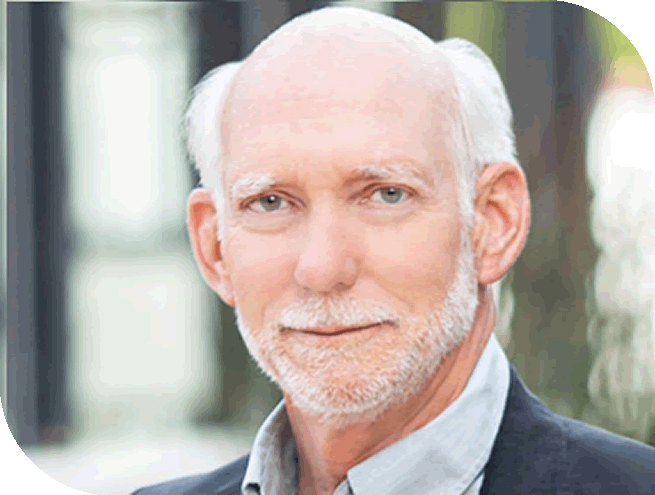
Charles Feltman
Charles Feltman has over 25 years of professional experience coaching, facilitating, consulting to, and training people who lead others. His work is concentrated in two main areas: Coaching Individual Leaders and Leadership Teams and he is the author of “The Thin Book® of Trust”

Richard Hews
Richard worked for 34 years in Pharmaceutical R&D as a manager and leader of teams and departments of biometricians and project managers. Richard now specialises in working with teams, around moods and emotions, often via the ontological team survey that he developed.

Robyn Mcculloch
Robyn works effectively in multiple cultural contexts with coaches, executives, high performing teams, university faculty and students, government officials, social entrepreneurs, environmental advocates, small business leaders, and indigenous people councils, globally.
Begin Your Team Coaching Journey
The teams that pull ahead are rarely the ones with the most talent. They are the ones that learn to work as a single system, and that is a capability you can build on purpose. Whether you want to coach teams professionally or lift the team you already lead, we would be glad to help you find the right next step. Reach out to The Coach Partnership, and let us start the conversation.
Newfield Team Coaching Certification Program
Testimonials


Team Coaching FAQs
Who can become a certified team coach?
If you already coach individuals, or you lead teams and have a grounding in coaching, you can train as a team coach. Most credible pathways expect that one-to-one base first, because team coaching builds on it. The Newfield Team Coaching Certification Program is open to Newfield graduates and graduates of other coaching programs, and it carries the ICF Advanced Accreditation in Team Coaching, so you finish with a globally recognized credential. If you are weighing the move into team coaching, get in touch and we will help you decide whether it is the right next step for you.
How much does your team coaching program cost?
We share the fee on enquiry, and there is a reason it is not just a number on a page. This is a small-cohort, high-touch program: alongside the conferences you get group supervision, individual coaching, and observed practice, not a seat in a 200-person webinar. Most people weigh it against what an ICF Advanced Accreditation and a complete team-coaching toolkit are worth to their own practice or their organization, and find it pays for itself in the work it unlocks. Get in touch and we will walk you through the current fee and the options open to you.
How is your team coach certification program different from other training providers?
Two things, mainly. First, the method: where most certifications drill behavioral competencies, ours is built on Newfield’s ontological approach, expanded for teams, so you learn to shift how a team thinks, feels, and relates, which is the part that actually moves performance. Second, the access: it is an ICF-accredited team coaching certification delivered on Singapore time, so coaches across Asia-Pacific can earn it without working around US or UK hours. And you learn by coaching real teams and watching master coaches at work, not from theory alone.
How can teams measure the impact of coaching?
Agree what success looks like before you start: a baseline, a few clear objectives, and the measures that matter most, whether that is engagement, retention, decision quality, or hard delivery numbers. Then track them across the engagement, ideally alongside a diagnostic that shows how the team is shifting over time. Our coaches use The Team Conversation Survey to give teams a clear before-and-after picture of how they are performing and where to focus next. If you would like to see what that could look like for your team, reach out for a conversation.
Recommended Books, Articles, and Podcasts on Team Coaching
Books
- The Thin Book of Trust, by Charles Feltman: A short, practical primer on building and repairing trust at work, which is the first thing any team coach has to establish. Written by one of the program’s own trainers.
- The Samurai Samba Vinci Way, by Claudio Toyama: A guide to building trust, growing executive presence, and leading a team at a world-class level.
- The Purple Book of Coaching, by The Coach Partnership team: A curated collection on the ontological approach to coaching that sits at the heart of the Newfield program.
- The Wisdom of Teams, by Jon Katzenbach and Douglas Smith: The book that pinned down what separates a real team from a group that just happens to share a manager.
- The Fearless Organization, by Amy Edmondson: The definitive work on psychological safety, which turns out to be the strongest single predictor of how well a team performs.
- The Five Dysfunctions of a Team, by Patrick Lencioni: A short, readable model of how trust, conflict, commitment, accountability, and results build on one another.
- The Culture Code, by Daniel Coyle: A close look at how the best teams create the belonging and safety that let people do their best work together.
Articles
- Leaders Need to be Un-Reasonable, by Terrie Lupberger: Why dropping the excuses and justifications is what frees leaders and their teams to get results.
- Understanding, Building and Re-Building Trust, by Chalmers Brothers: A practical way to read trust across four dimensions: sincerity, competence, reliability, and care.
- Your Version of Generative Leadership, by Chalmers Brothers: How the conversations a leader has shape what their team is able to create.
- Are You Dissatisfied with the Performance, or the Performer?, by Croft Edwards: Why leaders get further fixing the system around a team than blaming the people in it.
Podcasts
- Trust on Purpose, co-hosted by Charles Feltman: A weekly show on building and repairing trust in teams, leaders, and organizations.
- Dare to Lead with Brené Brown, featuring Charles Feltman: Feltman on the anatomy of trust, and how to build, maintain, and restore it at work.
- The Better Leadership Team Show, featuring Chalmers Brothers: Conversational competency as the foundation of team and leadership effectiveness.
- Unpolished Wisdom, hosted by Dr Katrina Gisbert-Tay: Honest conversations on leadership transitions, identity, and growth.
- Coaching for Leaders, featuring Croft Edwards: Leadership Flow, mastery, and getting the best from a team.
References
Forbes Coaches Council. (2024, March 15). How to harness the power of team coaching. Forbes. https://www.forbes.com/councils/forbescoachescouncil/2024/03/15/how-to-harness-the-power-of-team-coaching/
Forbes Human Resources Council. (2026, June 5). The skills-based enterprise: Building the workforce DNA for an AI-enabled future. Forbes. https://www.forbes.com/councils/forbeshumanresourcescouncil/2026/06/05/the-skills-based-enterprise-building-the-workforce-dna-for-an-ai-enabled-future/
International Coaching Federation. (2020). ICF team coaching competencies. https://coachingfederation.org/credentialing/coaching-competencies/icf-team-coaching-competencies/
Newcastle University. (n.d.). Team coaching techniques for managers. https://from.ncl.ac.uk/team-coaching-techniques-for-managers
People Management. (n.d.). Why team coaching is an effective organizational development tool. https://www.peoplemanagement.co.uk/article/1848078/why-team-coaching-effective-organizational-development-tool
Price, C., & Toye, S. (2017). Accelerating performance: How organizations can mobilize, execute, and transform with agility. Wiley.